
You are invited to celebrate Runnymede 10
at Law & Freedom 2026!
About the Conference
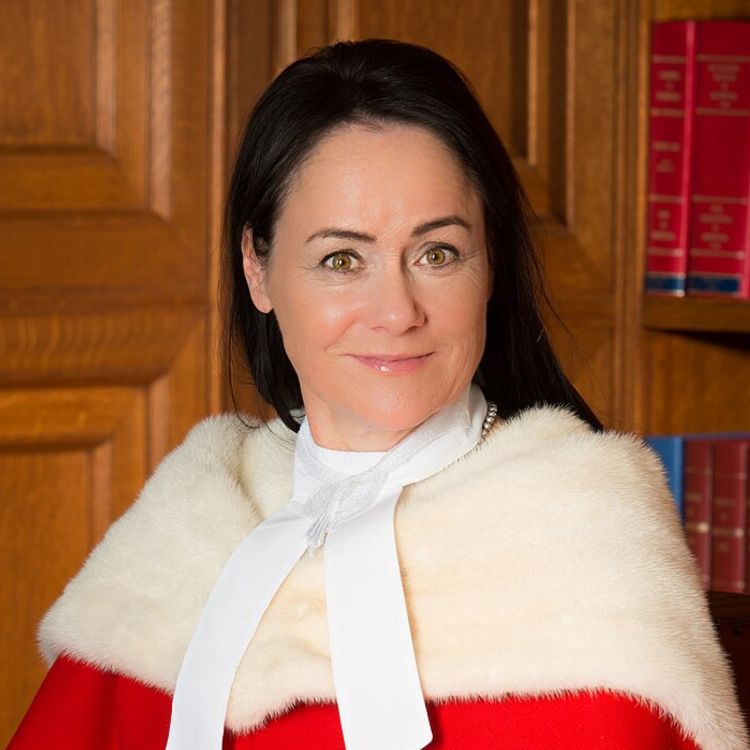
The Runnymede Society’s annual Law & Freedom conference is its most significant and prestigious event of the year—and this year’s iteration is set to be the largest on record, coinciding with our tenth anniversary, Runnymede 10: A Decade of Dialogue in Pursuit of Principle.
Law & Freedom 2026 will see around 250 legal scholars, practitioners, and students gather at The Carlu and Hart House in Toronto on January 30–31, 2026 to thoughtfully discuss some of the most pressing constitutional issues and heterodox legal ideas in Canada today.
This year’s conference will include a featured debate about the notwithstanding clause on Friday night, several panels featuring constitutional experts from diverse academic subfields and professional backgrounds, and a keynote address by Justice Susanne Côté of the Supreme Court of Canada on Saturday night.
Conference Schedule
Friday Night Debate – January 30 (The Carlu)
6:00 PM – Appetizers and Networking | Round Room
7:00 PM – Opening Remarks and Video Presentation | Sky Room
7:35 PM – Featured Debate on the Notwithstanding Clause | Sky Room
About our Featured Debate on the Notwithstanding Clause
7:35–9:00 PM
Sky Room (The Carlu)
Resolution: “Be it resolved that the Supreme Court of Canada should recognize more extensive legal limits on the notwithstanding clause than they did in Ford v. Quebec (AG) [1987]”
Featuring: Prof. Kerri Froc (University of New Brunswick) and Michelle Biddulph (Greenspan Humphrey Makepeace LLP)
Versus: Prof. Dwight Newman (University of Saskatchewan) and Prof. Dave Snow (University of Guelph)
Moderated by: Christine Van Geyn (Canadian Constitution Foundation)
This debate will focus on the role of the Supreme Court in defining and possibly limiting the notwithstanding clause, engaging sub-issues including declaratory relief under section 24, sex and gender equality under section 28, and more!
Introduction: Matt Bufton (Institute for Liberal Studies)
About Prof. Kerri Froc
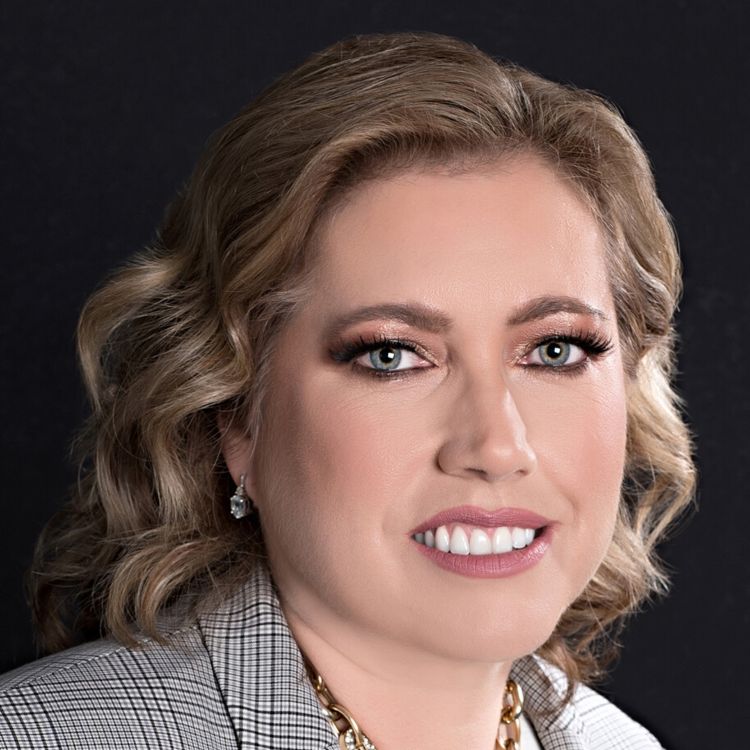
Kerri Froc is an Associate Professor at UNB Law, as well as a Trudeau and Vanier Scholar. She has taught courses at Carleton University, Queen’s University and University of Ottawa on feminist legal theory and various aspects of public law, among others.
Kerri received her PhD from Queen’s University in 2016 and holds a Master of Laws from the University of Ottawa, a Bachelor of Laws from Osgoode Hall Law School and a Bachelor of Arts from the University of Regina.
Before completing her doctorate, she spent 18 years as a lawyer, as a civil litigator in Regina, a staff lawyer for the Women’s Legal Education and Action Fund (LEAF), and as a staff lawyer in the areas of law reform and equality at the Canadian Bar Association. She is a member of the Saskatchewan and New Brunswick bars.
About Michelle Biddulph
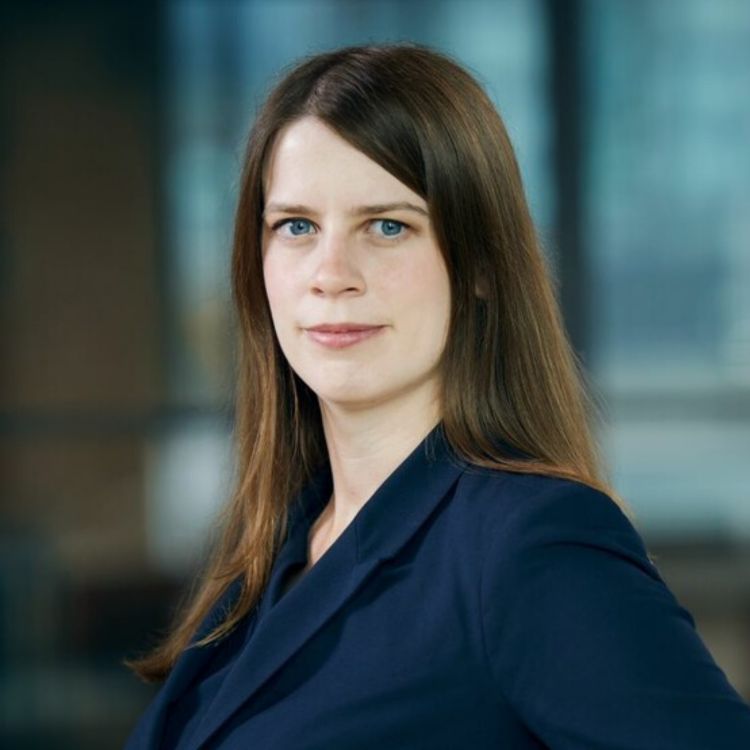
Michelle Biddulph is a criminal defence lawyer at Greenspan Humphrey Makepeace LLP in Toronto, where her practice focuses on criminal appeals, trials, and cross-border criminal matters. She has extensive experience arguing appeals before the Supreme Court of Canada on behalf of parties and interveners, and has argued appeals before appellate courts across the country. Michelle is also an accomplished legal author, having published a number of articles in legal journals across Canada, the United States, and Australia. She received her Juris Doctor from the University of Saskatchewan College of Law in 2014, and completed her articles as a law clerk to the Chief Justice of the Saskatchewan Court of Appeal in 2014-2015. She served as a law clerk to Justice Brown and Justice Rothstein of the Supreme Court of Canada from 2015-2016.
About Prof. Dwight Newman

Dwight Newman, KC, FRSC is Professor of Law and Tier 1 Canada Research Chair in Rights, Communities, and Constitutional Law at the University of Saskatchewan. He was previously Tier 2 Canada Research Chair in Indigenous Rights in Constitutional and International Law. He has seven degrees (BA in Economics, MATS in History of Christianity, JD, BCL, MSc in Finance and Financial Law, MPhil, DPhil in Philosophy of Law) and over two hundred publications, including fifteen books. He clerked for Chief Justice Lamer and Justice LeBel, and he is a member of the bars of Ontario and Saskatchewan. He has served on a range of national and international boards and committees and has travelled to over ninety countries.
About Prof. Dave Snow
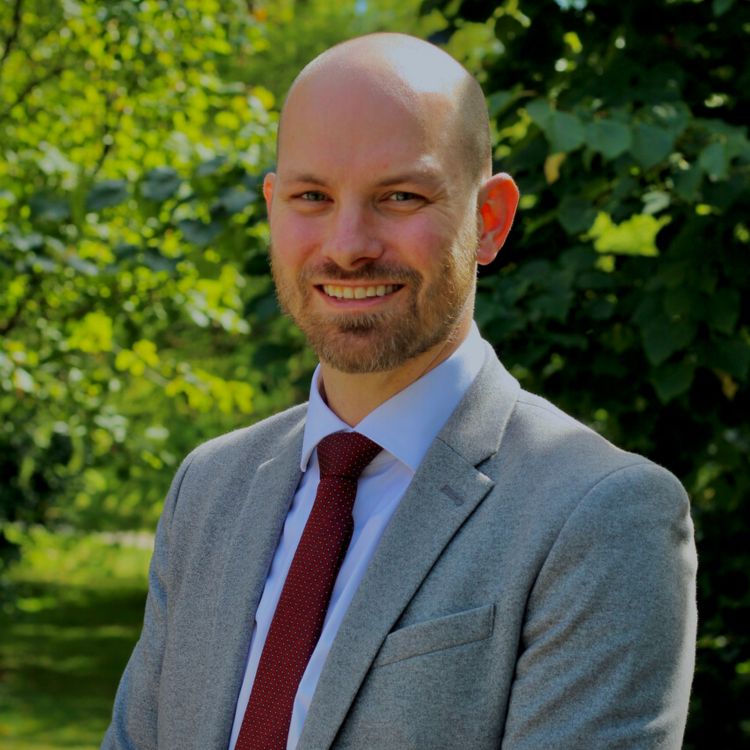
Dave Snow is an Associate Professor in the Department of Political Science at the University of Guelph and a Senior Fellow at the Macdonald-Laurier Institute. He is the author of Assisted Reproduction Policy in Canada: Framing, Federalism, and Failure, (2018, University of Toronto Press). He is also the co-author (with F.L. Morton) of the edited textbook Law, Politics, and the Judicial Process in Canada, 5th edition (2024, University of Calgary Press).
Dave’s research and teaching interests include public policy, criminal justice, constitutional law, and federalism. He currently holds a SSHRC Insight Grant to empirically evaluate the Supreme Court of Canada’s jurisprudence on reasonable limits on Charter rights.
About Christine Van Geyn

Christine Van Geyn has been the CCF’s Litigation Director since 2020 and is also a bestselling author and host of the national broadcast television program Canadian Justice. Christine earned her undergraduate degree in Political Science and Ethics, Society and Law at the University of Toronto, Trinity College. She earned her JD at Osgoode Hall Law school, and also studied at New York University School of Law. She was called to the bar in Ontario in 2012. Before joining CCF, Christine practiced commercial litigation, and then was the Ontario Director of a national non-profit where she was involved in several high profile constitutional challenges.
Saturday Panel Sessions – January 31 (The Carlu)
8:00 AM – Breakfast and Networking | Round and Sky Rooms
9:00 AM – Uses and Abuses of Judicial Rhetoric: Fireside Chat with Justices Lauwers and Stratas | Round Room
About "Uses and Abuses of Judicial Rhetoric: Fireside Chat with Justices Lauwers and Stratas"
9:00–10:25 AM
Round Room (The Carlu)
Featuring: Justice Peter Lauwers (Court of Appeal for Ontario)
In conversation with: L'honorable David Stratas (Federal Court of Appeal)
This rare, judge-to-judge conversation will explore how judges communicate their reasoning in cases involving fundamental rights, how language shapes legal understanding, and why rhetorical choices matter for the development of the law—and for the rule of law.
This program contains 1 hour and 25 minutes of Professionalism Content in Ontario.
Introduction: Tim Haggstrom (Runnymede Society)
About Justice Peter Lauwers
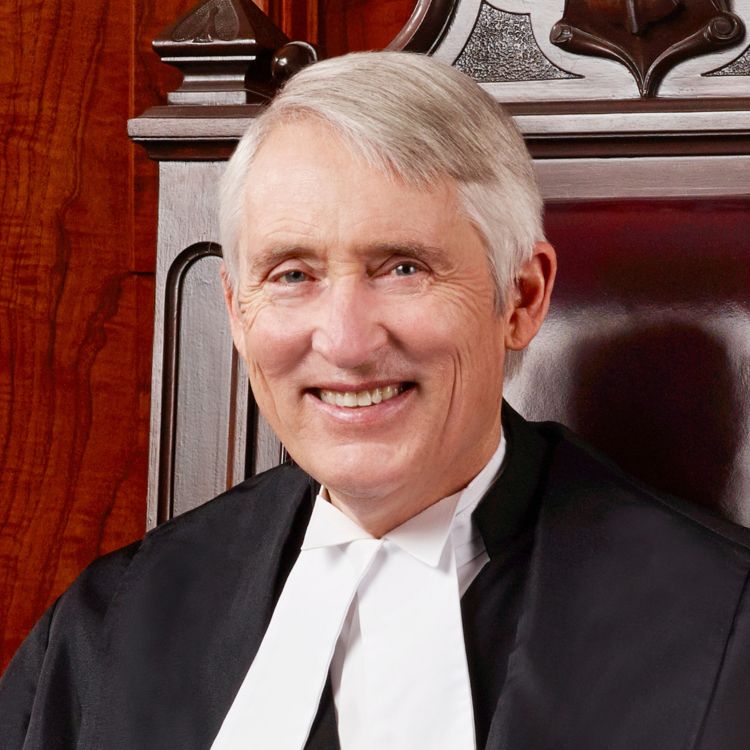
Justice Peter Lauwers was appointed to the Court of Appeal for Ontario on December 13, 2012, having served on the Superior Court of Justice of Ontario in Central East Region since July, 2008. He presided over cases in all the areas of the Superior Court’s operations including civil, criminal, family, and class actions. He also served on the Divisional Court.
Before being appointed, Justice Lauwers was a partner at Miller Thomson LLP. He practised in the areas of civil litigation, constitutional law, human rights, and administrative law including education, municipal and labour law and appeared at every level of court including the Supreme Court of Canada.
As a lawyer Justice Lauwers lectured in his areas of expertise to, among others, the Canadian Institute, Insight, the Canadian Bar Association, the Ontario Bar Association, the Centre for Cultural Renewal, McGill University, and the Saskatchewan Institute of Public Policy, and published widely.
Since his judicial appointment Justice Lauwers has spoken at events sponsored by the Ontario Bar Association, the Advocates’ Society, the Ontario Trial Lawyers’ Association, the Canadian Defence Lawyers, Osgoode Hall Law School, the Medico-Legal Society of Toronto, the Ontario Human Rights Commission, and the National Judicial Institute.
Justice Lauwers received a Bachelor of Laws from the University of Toronto in 1978 and a Master of Laws from Osgoode Hall Law School of York University in 1983. He was called to the Bar of Ontario in 1980.
About Justice David Stratas
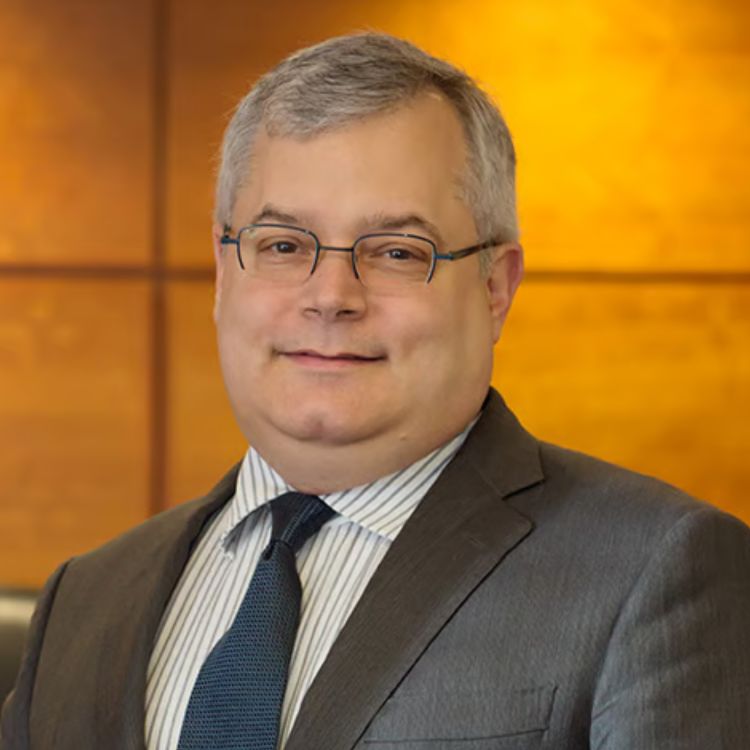
(DAY-vid STRA-tuss /deɪvɪd strætəs pronouns: he/him) LL.B. (Queen’s University, 1984); B.C.L. (Oxford University, 1986); LL.D. (Queen’s University, 2012, honoris causa). Born in Toronto, Ontario. Law clerk to Justice Bertha Wilson of the Supreme Court of Canada (1986-1987). Called to the Bar of Ontario (1988). Litigation partner in firms in Toronto, Ontario. Fellow of the American College of Trial Lawyers (2008). Appointed Special Advocate by the Minister of Justice (2008). Adjunct member, Faculty of Law, Queen’s University (1994 to the present), winning multiple faculty teaching awards. Instructor and presenter at over 60 judicial education sessions across Canada, most frequently in the area of administrative law. Author of over 200 articles or conference papers on various legal topics, particularly in the areas of administrative law, constitutional law, and legal writing. Appointed Judge of the Federal Court of Appeal, and a member ex officio of the Federal Court on December 11, 2009. Appointed Judge of the Court Martial Appeal Court of Canada, May 3, 2012. Acting Chief Justice from July to November 2023.
10:35 AM – Aboriginal Title, Property Rights, and Reconciliation | Round Room
About "Aboriginal Title, Property Rights, and Reconciliation"
10:35 AM–12:00 PM
Round Room (The Carlu)
Featuring: Charles Dumais (PrimaryDocuments), Karen Restoule (Macdonald-Laurier Institute), Michael Scott (PrimaryDocuments), and Thomas Isaac (Cassels Brock & Blackwell LLP)
Moderator: Erik De Lorenzi (Davies Ward Phillips & Vineberg LLP)
Introduction: Tim Haggstrom (Runnymede Society)
About Charles Dumais

Charles Dumais is a PhD candidate at the University of Toronto specializing in Canadian constitutional history and a researcher with the PrimaryDocuments.ca project. He is the author and co-author of two separate volumes on pre-Confederation Canadian constitutional history. He has worked at the Truth and Reconciliation Commission of Canada and has published in the Canadian Journal of Political Science. His research examines the development of Canadian constitutional traditions through archival and documentary sources. His recent work on the drafting history of the Canadian Charter of Rights and Freedoms includes co-authored analyses of Sections 28 and 33, as well as ongoing co-authored analyses of Section 35 and Section 1.
About Karen Restoule

Karen Restoule is Director of Indigenous Affairs and a Senior Fellow at Macdonald-Laurier Institute, and a strategic advisor on complex public and policy issues, working with CEOs and senior executives to shape strategy and drive results. She is also founder and host of Breakthrough Nation, a podcast spotlighting leaders who are shaping Canada’s next big breakthrough.
She brings a rare breadth of experience: previously advising clients at one of Canada’s top public affairs firms; serving First Nations leaders on justice, law, community development, and sustainability; leading Ontario’s administrative justice system as a senior public sector executive; and co-founding BOLD Realities to advance industry-Indigenous partnerships.
A sought-after voice, Restoule contributes regularly to national media, radio, and conferences in Canada and abroad. She is a graduate of the University of Toronto, Osgoode Hall’s Intensive Program in Aboriginal Lands, Resources, and Governments, and the University of Ottawa’s French Common Law Program, where she was inducted into the Faculty of Law Honours Society for using her legal education to make significant contributions to society. Restoule is Ojibwe from Dokis First Nation.
About Michael Scott
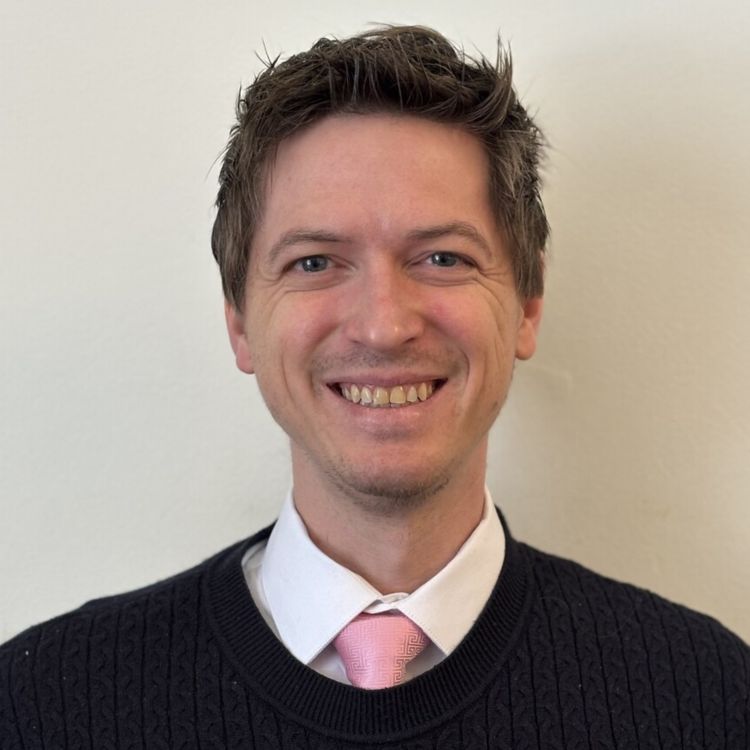
Michael Scott is the project manager and editor at PrimaryDocuments.ca, a database of historical documents relating to the drafting and adoption of the Constitution of Canada, which has been used by Canadian and international universities, media, and the courts. He is the co-editor of the Confederation Debates in the Province of Canada, and the co-author of “Mapping the Limitations of the Notwithstanding Clause” and “The Drafting History of the Canadian Charter of Rights and Freedoms”. He is also the co-editor of the forthcoming The Emergence and Defeat of Anti-Confederationists in the Province of Canada (UofT Press). Michael has also previously worked on Parliament Hill. Currently, he is working on a paper entitled, “Understanding an Ambiguous Clause,” which deals with the drafting history of Section 35.
About Thomas Isaac

Thomas Isaac is Chair of the firm’s Aboriginal Law Group. A nationally recognized authority in Aboriginal law, Tom advises business and government clients across Canada on Aboriginal legal matters and related regulatory, environmental assessment, negotiations and constitutional issues. Tom has extensive national experience advising energy, oil, gas, pipeline, mining, forestry, real estate and transportation companies, and federal, provincial, territorial, municipal and Indigenous governments and agencies on Aboriginal, regulatory and constitutional matters. In recognition of his work in this area, Tom was honoured as one of Canada’s “Top 25 Most Influential” lawyers by Canadian Lawyer magazine in 2018.
Tom has published extensively in Aboriginal law, including 16 books, the most notable being Aboriginal Law, 6th Ed. His published works on Aboriginal law have been cited with approval by Canadian courts, including the Supreme Court of Canada and the Federal Court of Appeal. His new book co-authored with Grace Wu titled Canada & the UN Declaration on the Rights of Indigenous Peoples is being published November 2025.
About Erik De Lorenzi

Erik De Lorenzi is an articling student at Davies in Toronto and a recent graduate of the University of Toronto, Faculty of Law’s Juris Doctor & Aboriginal Legal Studies Certificate Programs.
During law school, Erik achieved distinction standing and was recognized as the top student in securities regulation, competition law and legal writing. He was the president of UofT’s Runnymede Society chapter, a Junior Fellow at Massey College and served throughout law school as a senior policy and litigation advisor to Ontario’s Attorney General, the Hon. Doug Downey.
After graduation, he served as a member of Justice William Hourigan’s team investigating police governance in Edmonton. Upon completing his articles, Erik will clerk for Justice David Stratas of the Federal Court of Appeal.
Prior to starting law school, Erik was the head of operations to former Quebec Premier Jean Charest and previously, a public affairs consultant at StrategyCorp, a leading Canadian government relations firm. Erik also served as a member of the Ontario PC Party’s board of directors.
Erik holds a masters in international relations from the University of Cambridge, where he graduated first in his class and a bachelors of commerce from Queen’s University, where he graduated as the silver medallist and competed with the men’s varsity heavyweight rowing team.
10:35 AM – A Changing World: Geopolitics and Canada-US Trade | Sky Room
About "A Changing World: Geopolitics and Canada-US Trade"
10:35 AM–12:00 PM
Sky Room (The Carlu)
Featuring: Prof. Nicolas Lamp (Queen’s), Jessica Horwitz (Bennett Jones), and Michael Solursh (Government of Ontario)
Moderator: Prof. Camden Hutchison (UBC Allard)
About Prof. Nicolas Lamp
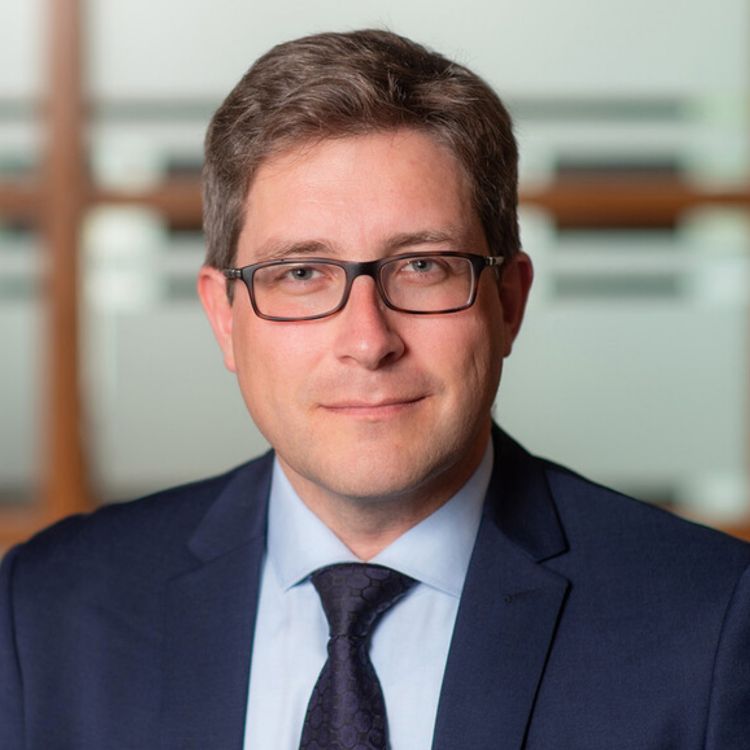
Nicolas Lamp is an Associate Professor at the Faculty of Law at Queen’s University in Canada, where he is cross-appointed to the School of Policy Studies and serves as the Director of the Queen’s Annual Institute on Trade Policy, a professional training course for Canadian trade officials. Prior to joining Queen’s, Dr. Lamp worked as a Dispute Settlement Lawyer at the Appellate Body Secretariat of the World Trade Organization. His current research focuses on competing narratives about the winners and losers from economic globalization and their implications for trade law and policy. His co-authored book (with Anthea Roberts) “Six Faces of Globalization: Who Wins, Who Loses, and Why It Matters” was published by Harvard University Press in 2021 and was selected as one of the best books of 2021 by the Financial Times and Fortune Magazine. Dr. Lamp holds a Ph.D. in Law and an LLM from the London School of Economics and Political Science and degrees in International Relations from the Universities of Dresden and Bremen in Germany.
About Jessica Horwitz

Jessica Horwitz is a partner at Bennett Jones LLP in Toronto, specializing in international trade and investment law. She advises clients on a wide range of trade-related matters including customs, trade remedies, WTO law, export controls and economic sanctions, and supply chain compliance and represents businesses in appeals, enforcement, and investigations with Canadian regulatory and law enforcement agencies. Recognized by Chambers Global, Legal 500 Canada, and Best Lawyers in Canada, she is actively involved in several legal organizations and has held leadership roles in not-for-profit industry associations. Jessica is an alumna of the University of Toronto’s Munk Centre for International Studies (as it then was) and the Queen’s University Faculty of Law.
About Michael Solursh
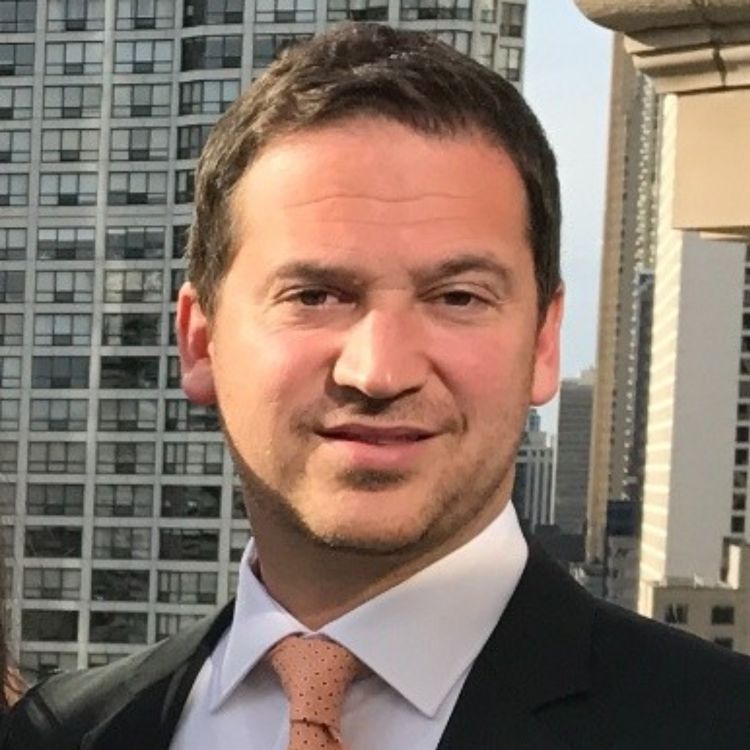
Michael Solursh, B.A. (Western), LL.B. (Windsor), LLM (Georgetown), was called to the Ontario Bar in 2002. Michael is General Counsel and the Practice Lead of the Trade Law Practice Group for the Ontario Government. Michael advises the government on trade negotiations, trade litigation, and the consistency of government measures and programs with Canada and Ontario’s obligations under international and domestic trade agreements. Before joining the Ontario government, Michael worked at the Canadian Trade Law Bureau at the Department of Foreign Affairs and International Trade, the World Trade Organization in its Legal Affairs Division, the International Law Department of the Organization for American States, the Trade and Economic Unit at the Canadian Embassy in Washington, DC, and was an associate with McLeod Dixon LLP (now Norton Rose) in Toronto.
Michael also holds a certificate in WTO Law from Georgetown University Law Center and completed a Fellowship with the Institute of International Economic Law in Washington.
About Prof. Camden Hutchison

Camden Hutchison is an Associate Professor at the Peter A. Allard School of Law and the Director of the Centre for Business Law. His research and teaching focus on corporate transactions, comparative corporate governance, and the historical development of corporate law. He has also published on corporate taxation, competition law, and Canadian constitutional law. His current research focuses on the economics of constitutional interpretation.
12:00 PM – Lunch and Networking | Round and Sky Rooms
1:00 PM – Fair Vote BC, Working Families, and Democratic Rights | Round Room
About "Fair Vote BC, Working Families, and Democratic Rights"
1:00–2:25 PM
Round Room (The Carlu)
Featuring: Prof. Michael Pal (University of Ottawa), Prof. Jamie Cameron (Osgoode Hall), Devin Drover (Canadian Taxpayers Federation), and Kerry Sun (Oxford)
Moderated by: Prof. Gerard Kennedy (University of Alberta)
This panel will examine recent jurisprudence and doctrinal developments concerning democratic rights and electoral fairness, with particular attention to courts’ treatment of third-party participation in the electoral process.
Introduction: Peter Copeland (Macdonald-Laurier Institute)
About Prof. Michael Pal
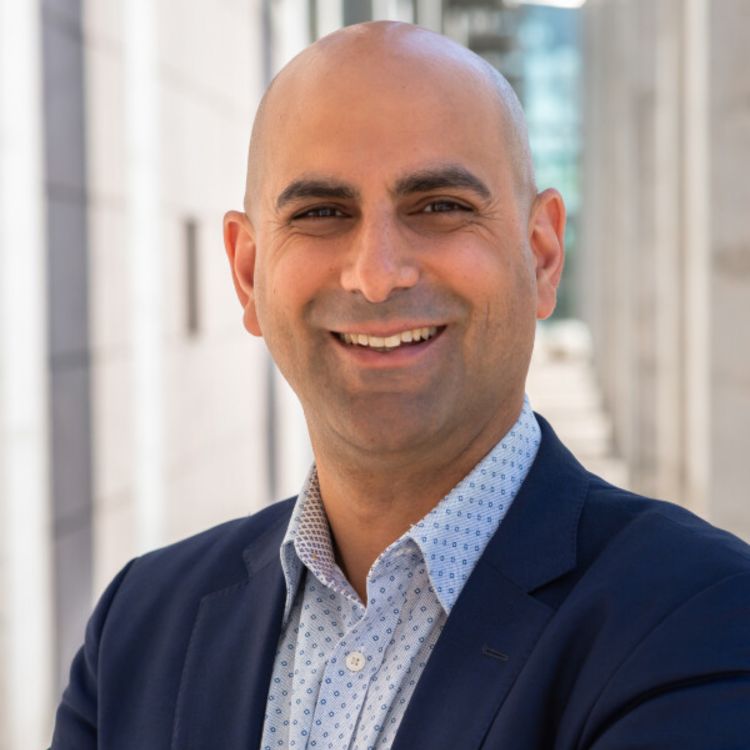
Dr. Michael Pal is a Full Professor in the Faculty of Common Law at the University of Ottawa, where he is a member of the Board of Governors and University Senate. In 2025, he was a Visitor at the Bonavero Institute for Human Rights and Mansfield College at the University of Oxford. He researches mainly in the areas of Canadian and comparative constitutional law and election law. His work has been cited by the Supreme Court of Canada and high courts around the world.
About Prof. Jamie Cameron

Jamie Cameron, Professor Emerita, was a full-time member of faculty at Osgoode Hall Law School from 1984 to 2020. She has taught and written on constitutional and public law issues, has extensive publications and edited collections, has appeared before the Supreme Court of Canada in many cases, and has served on a number of professional and cultural boards. She completed an MA in art history at York University in June 2024.
About Devin Drover
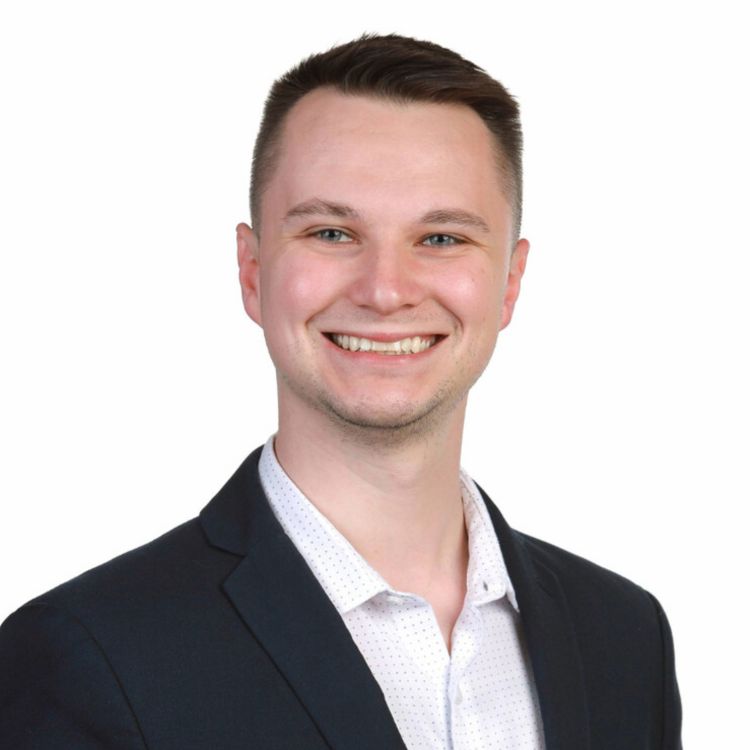
Devin Drover serves as General Counsel and Atlantic Director for the Canadian Taxpayers Federation, where he advances the organization’s mission of lower taxes, reduced government waste, and greater political accountability. In this dual role, he leads public-interest litigation initiatives across Canada and regularly engages in public advocacy on fiscal and governance issues.
Prior to joining the Canadian Taxpayers Federation, Drover practised law at Benson Buffett PLC, which has since merged with Cox & Palmer. His private-practice experience included employment law, municipal law, and public-law disputes, and he represented clients before all levels of court in Newfoundland and Labrador, various administrative tribunals, and the Supreme Court of Canada.
Drover holds a combined Juris Doctor and Master of Business Administration from the Schulich School of Law and a Bachelor of Science in Economics from Memorial University.
About Kerry Sun
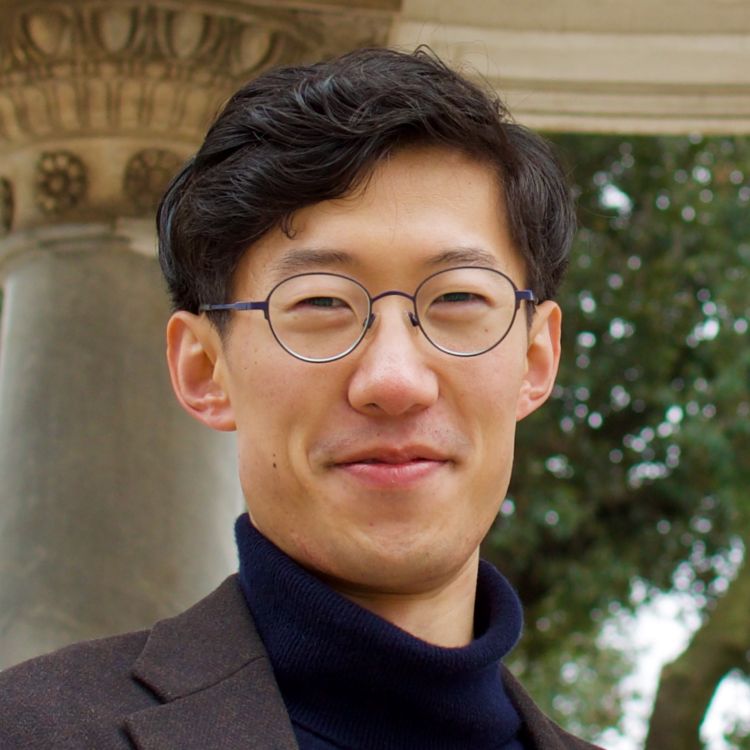
Kerry Sun is a doctoral student at Merton College, Oxford, where his research focuses on rights-based accounts of tort law, and a contributor to the Macdonald-Laurier Institute’s Judicial Foundations Project. He received his Juris Doctor from the University of Toronto and Bachelor of Civil Law from the University of Oxford. Before commencing postgraduate studies, he was a litigation associate at Sullivan & Cromwell LLP and served as a law clerk to the judges of the Court of Appeal of Alberta and to the Honourable Sheilah L. Martin at the Supreme Court of Canada. His academic interests include natural law theory, theory of private law, and methodologies of rights adjudication.
About Prof. Gerard Kennedy

Gerard Kennedy is Associate Professor and Associate Dean Graduate Studies at the Faculty of Law, University of Alberta. He was previously a faculty member at the University of Manitoba’s Faculty of Law. His scholarship concentrates on the role of courts in society, specifically through analyzing civil justice and procedure, administrative law and procedure, and public law more generally. He has authored five books and over thirty journal articles on these topics. He remains an active member of the legal profession, as a member of the bars of Ontario, Manitoba, and Alberta. He serves on the Alberta Judicial Council, the Federal Courts Rules Committee, and the (advisory) boards of Advocates for the Rule of Law, the Centre for Constitutional Studies, and the Edmonton Bar Association. He holds a B.A. from the University of Toronto, a J.D. from Queen’s University, an LL.M. from Harvard Law School, and a Ph.D. from Osgoode Hall Law School.
1:00 PM – Projet de loi 1, Loi constitutionnelle de 2025 sur le Québec: une « Constitution » ou une « dérive » ? | Sky Room
À propos du « Projet de loi 1, Loi constitutionnelle de 2025 sur le Québec: une « Constitution » ou une « dérive » ? »
13 h à 14 h 25
Sky Room (The Carlu)
Avec : Professeur Félix Mathieu (UQO), Professeur Maxime St-Hilaire (USherbrooke) et Lise Brun (Laval)
Modérateur : Alexandre Petitclerc (UdeM)
À propos du professeur Félix Mathieu

Félix Mathieu est politologue et professeur au Département de droit de l’Université du Québec en Outaouais, ainsi que co-directeur de l’Observatoire de recherche sur les enjeux constitutionnels du Québec au sein de la fédération canadienne. Depuis 2021, il est également co-directeur de la Revue canadienne de science politique. Il est l’auteur, notamment, de Les Nations fragiles : ces peuples qui affrontent la modernité (Boréal, 2024), Constitutionalism v. Diversity : Essays on Federal Democracy (Peter Lang, 2023, avec Dave Guénette), Taking Pluralism Seriously: Complex Society Under Scrutiny (McGill-Queen’s University Press, 2022), Un Pays divisé : identité, fédéralisme et régionalisme au Canada (Presses de l’Université Laval, 2021, avec Evelyne Brie). Il a exercé les fonctions de professeur agrégé au Département de science politique de la University of Winnipeg (2021-25) et de professeur invité à l’Université libre de Bruxelles (2024) et à la Universitat Pompeu Fabra (2023).
À propos du professeur Maxime St-Hilaire
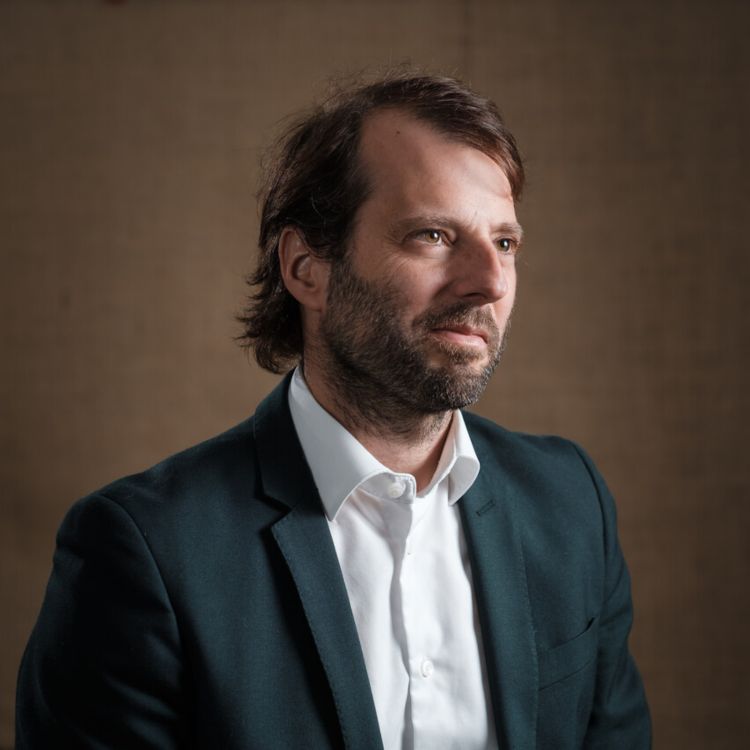
Maxime St-Hilaire est docteur en droit de l’Université Laval et professeur titulaire à la Faculté de droit de l’Université de Sherbrooke, où il enseigne le droit constitutionnel et les fondements du droit. Il est le directeur pour le Canada français de la Runnymede Society. Il siège au conseil scientifique de l’Institut de droit parlementaire et politique et est chercheur associé au Centre for Constitutional Law and Legal Studies, de l’University of British Columbia.
Il est l’auteur, entre autres, des Positivismes juridiques au XXe siècle (PUL, 2020, Prix de la recherche et de la création de l’UdeS), de La lutte pour la pleine reconnaissance des droits ancestraux: problématique juridique et enquête philosophique (Yvon Blais, 2015, Prix Minerve) et d’une trentaine d’articles et chapitres. Il a co-dirigé la publication de deux ouvrages : Attacks on the Rule of Law from Within (LexisNexis, 2019) et Unwritten Constitutionalism (LexisNexis, 2023). Il a coordonné la publication d’un dossier sur « Axel Honneth et le droit » dans la revue internationale Droit et Société. Il a prononcé une cinquantaine de communications. Ses travaux couvrent aussi bien le droit électoral et parlementaire que les droits des peuples autochtones, les droits fondamentaux, le fédéralisme, le droit constitutionnel comparé et la philosophie juridique.
Maxime St-Hilaire a été professeur ou chercheur invité au Louvain Global College of Law, au Norwegian Centre for Human Rights, à l’École de droit de Paris SciencesPo, au Centre Marc Bloch de Berlin ainsi qu’à l’ancien Centre de recherche en éthique de l’Université de Montréal, université où il a également enseigné le droit constitutionnel comparé à titre de chargé de cours. Il fut stagiaire de la Commission de Venise et auxiliaire juridique auprès de l’honorable Marie Deschamps, à la Cour suprême du Canada.
À propos de Lise Brun

En tant que boursière des Fonds de recherche du Québec, Lise Brun réalise présentement son postdoctorat à la Faculté de droit de l’Université Laval. Ses travaux actuels portent sur l’influence internationale du droit constitutionnel canadien, en particulier dans les décisions rendues par la Cour constitutionnelle d’Afrique du Sud, la Cour suprême du Royaume-Uni et la Cour suprême d’Israël.
Sa recherche postdoctorale s’inscrit dans la continuité des travaux de recherche qu’elle a menés au doctorat à l’Université de Montréal et à l’Université de Bordeaux sur les transformations du travail des juges constitutionnels dans le contexte de la mondialisation. En effet, dans sa thèse et diverses publications en étant issues, Lise a analysé la controverse ayant opposé, en 2020 dans l’affaire Québec inc., les juges de la Cour suprême du Canada au sujet du rôle du droit international et du droit comparé dans l’interprétation de la Charte canadienne des droits et libertés. Sa recherche doctorale a permis d’attester de la montée en puissance inédite au sein de la Cour d’une posture de résistance, au moins ambivalente, vis-à-vis du recours aux sources non-canadiennes dans l’interprétation des droits et libertés des Canadiens.
De façon plus générale, Lise s’intéresse aux diverses évolutions contemporaines de la justice et de l’interprétation constitutionnelles, de la protection des droits et libertés et du constitutionnalisme, principalement au Canada et en recourant au droit comparé ainsi qu’à une méthodologie empirique à la fois quantitative et qualitative.
À propos d'Alexandre Petitclerc
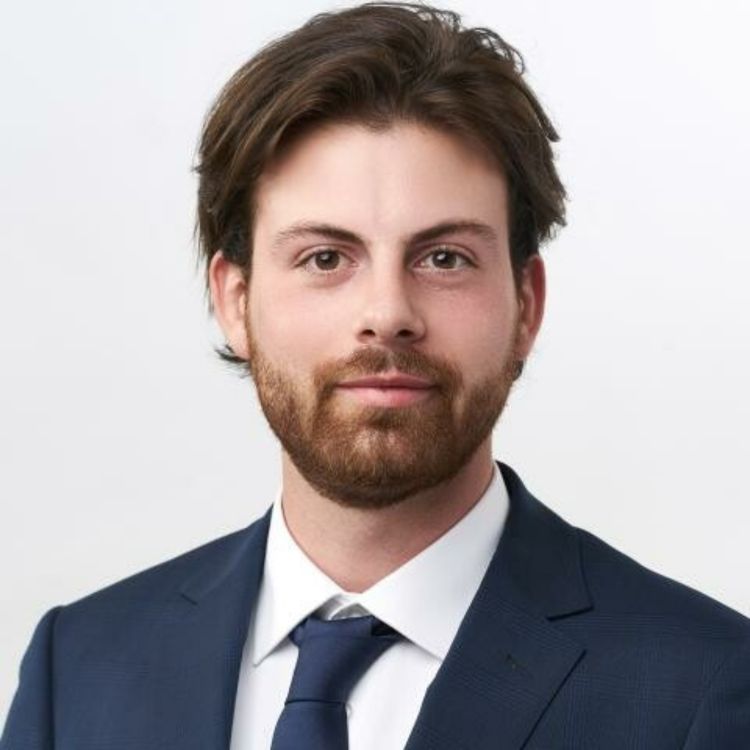
Alexandre Petitclerc est candidat au doctorat et chargé de cours en philosophie à l’Université de Montréal. Ses intérêts de recherche portent sur les droits sociaux, l’interdépendance des droits, le logement et l’héritage. Ses travaux sont financés par la Fondation Pierre Elliott Trudeau et par le Conseil de recherche en sciences humaines du Canada. Son approche multidisciplinaire s’étend tout autant à la recherche scientifique qu’à la production de contenu artistique visant à stimuler la conversation citoyenne. Son premier film, Juste un toit (réal. Emmanuel Rioux), a remporté de nombreux prix autant au Canada qu’à l’international.
Alexandre est actuellement président de la Ligue des droits et libertés, une organisation indépendante et non partisane de promotion et de défense des droits humains fondée en 1963. Son implication sociale lui a valu récemment le prix Forces Avenir Personnalité 2e et 3e cycle 2025.
2:35 PM – Free Thought and Expression in the Modern University | Round Room
About "Free Thought and Expression in the Modern University"
2:35–4:00 PM
Round Room (The Carlu)
Featuring: Prof. Jacqueline Leighton (University of Alberta), Prof. Jeffrey Sachs (Acadia), and Prof. Maxime St-Hilaire (USherbrooke)
Moderated by: Kristopher Kinsinger (SV Law)
This panel will examine the state of free thought and expression within today’s universities, including the cultural, institutional, and professional pressures shaping academic life. The discussion will explore how norms around speech, inquiry, and dissent are evolving on campus, and why those changes matter for the university’s role in a democratic society.
About Prof. Jacqueline Leighton

Dr. Jacqueline Leighton was born in Santiago, Chile and immigrated to Brazil (Rio de Janeiro) in 1975 and then to Canada (Calgary) in 1978. Leaving Chile in 1975, two years after the coup d’etat and the beginnings of the Pinochet dictatorship instilled in her a lifelong commitment to independent thinking, fundamental human rights, and specifically freedom of expression. Dr. Leighton completed her doctorate in Psychology at the University of Alberta and a postdoctoral fellowship in Psychology at Yale University. Dr. Leighton’s research is multi-faceted, involving the complex interplay of affective, cognitive and social variables in the learning environments in which human beings develop, grow, falter and ultimately thrive. Dr. Leighton’s conceptual and empirical research in human cognition, development and learning have been the subject of three Cambridge University Press books, one Oxford University book, and many other journal papers and chapters.
About Prof. Jeffrey Sachs
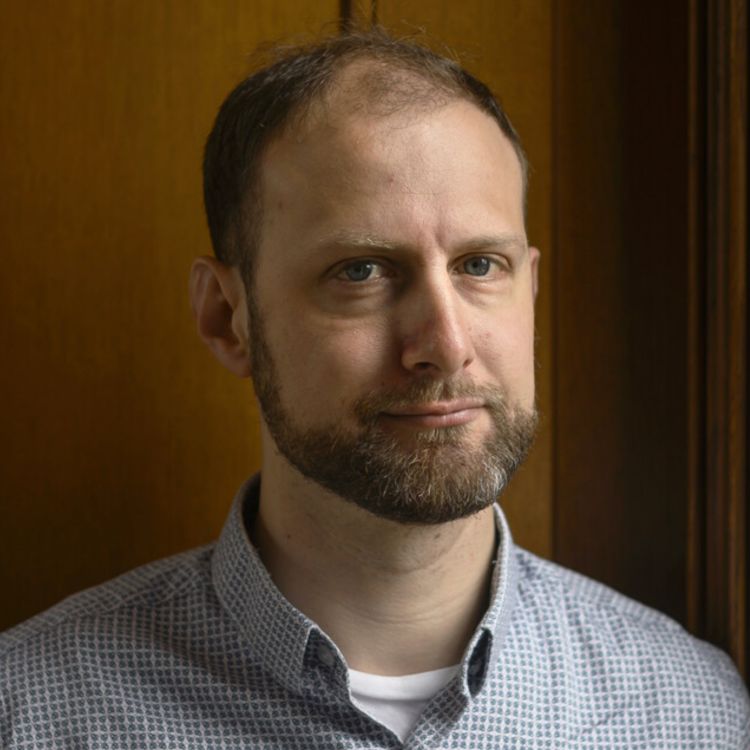
Dr. Jeffrey Sachs is an Assistant Professor in the Department of Politics and the Department of History and Classics at Acadia University, and a Senior Analyst for PEN America’s Free Expression and Education program. A prominent voice in the politics of higher education, his work focuses on the intersection of legislative policy, academic freedom, and free expression on North American campuses.
Sachs is widely recognized for his data-driven research on “educational gag orders” and his extensive tracking of faculty terminations for political speech. His analysis has been featured in major outlets such as The Washington Post, The Chronicle of Higher Education, and The Atlantic. At PEN America, he leads efforts to monitor and contest state-level legislation that restricts classroom discourse on sensitive topics.
About Prof. Maxime St-Hilaire
Maxime St-Hilaire holds a doctorate in law from Laval University and is a full professor at the Faculty of Law at the University of Sherbrooke, where he teaches constitutional law and the foundations of law. He is the director for French Canada at the Runnymede Society. He sits on the scientific council of the Institute of Parliamentary and Political Law and is an associate researcher at the Centre for Constitutional Law and Legal Studies at the University of British Columbia.
He is the author of, among other works, Positivismes juridiques au XXe siècle (PUL, 2020, UdeS Research and Creation Award), La lutte pour la pleine reconnaissance des droits ancestraux : problématique juridique et enquête philosophique (Yvon Blais, 2015, Minerve Award), and some thirty articles and sections. He has co-edited two books: Attacks on the Primauté du droit (LexisNexis, 2019) and Unwritten Constitutionalism (LexisNexis, 2023). He coordinated the publication of a dossier on “Axel Honneth and the law” in the international journal Droit et Société. He has given some fifty presentations. His work focuses on electoral and parliamentary law, indigenous peoples’ rights, fundamental rights, federalism, comparative constitutional law, and the philosophy of law.
Maxime St-Hilaire has been a visiting professor or researcher at the Louvain Global College of Law, the Norwegian Centre for Human Rights, the Faculty of Law at Sciences Po Paris, the Marc Bloch Centre in Berlin, and the former Centre for Research in Ethics at the University of Montreal, where he also taught comparative constitutional law as a lecturer. He was an intern at the Venice Commission and a law clerk to the Honorable Marie Deschamps at the Supreme Court of Canada.
About Kris Kinsinger
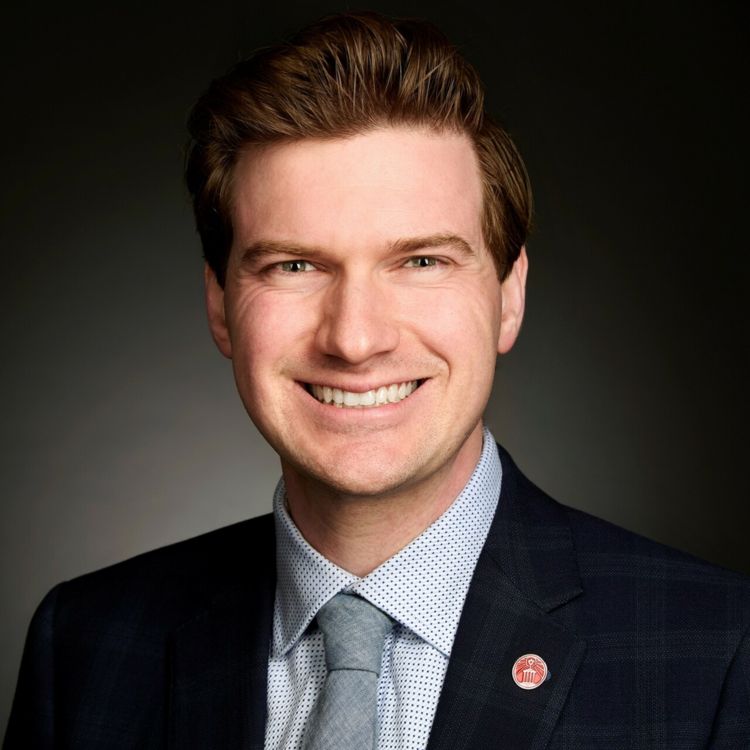
Kristopher Kinsinger is an associate with Smith Valeriote LLP in Guelph. His practice focuses on civil litigation, municipal enforcement, and constitutional advocacy.
Kristopher received his Juris Doctor from Osgoode Hall Law School in 2019, where he was the recipient of several scholarships and prizes, before completing his articles of clerkship with a national law firm in Waterloo. He was called to the Ontario Bar in 2020, and received his Master of Laws from McGill University in 2021 on a SSHRC scholarship and with the Pilarczyk Graduate Award in Law.
Between 2021 and 2024, Kristopher served full-time as the national director of the Runnymede Society. During this same period, he was counsel with Jordan Honickman Barristers in Toronto. He was a general editor on the academic volumes “Unwritten Constitutionalism” (with Maxime St-Hilaire and Ryan Alford) and “Private Rights and the Rule of Law” (with Malcolm Lavoie and Gerard Kennedy), both of which were co-published by LexisNexis and the Runnymede Society.
Kristopher currently serves as a senior fellow with the Cardus think tank (having been a member of the inaugural cohort of Cardus’s prestigious NextGen Fellowship in 2021) and served two terms between 2017 and 2023 on the board of directors of Christian Legal Fellowship, Canada’s national association of Christian lawyers and law students. He currently serves as a past chair of the Canadian Bar Association’s Constitutional and Human Rights Section and as an adjunct lecturer with Redeemer University in Hamilton.
In his free time, Kristopher can be found reading, writing, drinking coffee, listening to vinyl, mapping out his next backcountry camping trip, or serving with his church.
2:35 PM – Original Meaning and the Supreme Court: What TELUS Tells Us | Sky Room
About "Original Meaning and the Supreme Court: What TELUS Tells Us"
2:35–4:00 PM
Sky Room (The Carlu)
Featuring: George Avraam (Baker McKenzie), Ewa Krajewska (Henein Hutchison Robitaille), and Asher Honickman (Advocates for the Rule of Law)
Moderated by: Prof. Mark Mancini (Thompson Rivers University)
This panel will examine the Supreme Court of Canada’s decision in TELUS Communications Inc. v. Federation of Canadian Municipalities [2025] through the lens of original meaning, focusing on how interpretive methodology shapes statutory and constitutional reasoning. The discussion will consider what the case reveals about contemporary approaches to interpretation at the Court, and the broader implications for Canadian law.
Introduction: Peter Copeland (Macdonald-Laurier Institute)
About George Avraam

George practices trial and appellate litigation. He has appeared as lead counsel at the Supreme Court of Canada and at every level of court in Ontario. He has also represented clients throughout the country, as well as before arbitration panels and administrative tribunals. His practice focuses on high stakes matters, including:
– Complex labour and employment litigation, including class actions;
– Administrative and public law matters, including Charter cases;
– Fraud and breach of fiduciary duty litigation;
– Commercial disputes before the courts and arbitrators; and
– Shareholder and partnership disputes.
As a trusted advisor to Boards and executive teams, George also provides strategic counsel on sensitive matters that range from cross-border disputes and investigations to crisis management.
About Ewa Krajewska
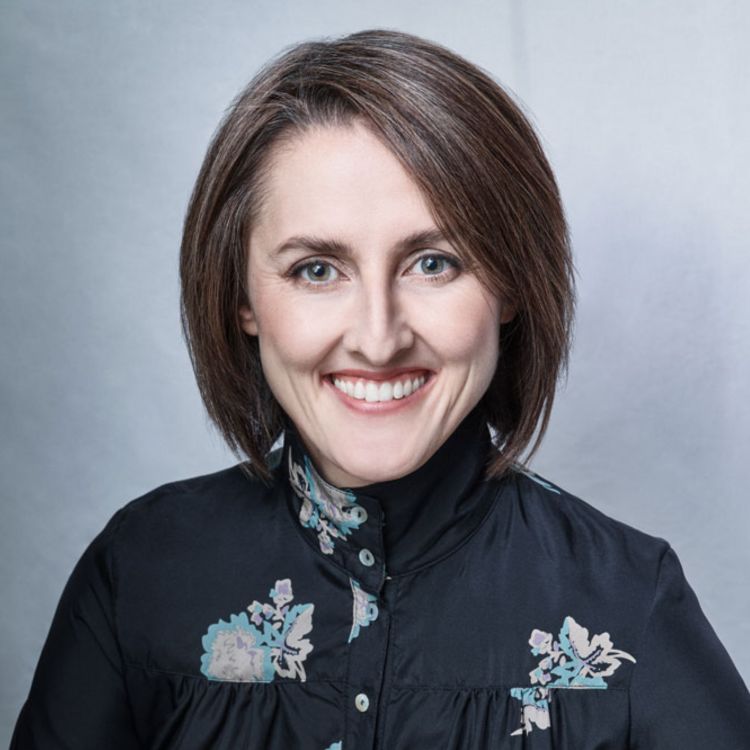
Ewa is the Co-Chair of the Civil Litigation Practice Group and a partner at Henein Hutchison Robitaille LLP. She practices in civil litigation, public and administrative law, appellate advocacy, and estates disputes and investigations. As a skilled advocate with excellent judgment, Ewa knows how to handle sensitive and high stakes matters. She has appeared on leading cases at all levels of court including the Supreme Court of Canada, the Court of Appeal for Ontario, and the Federal Court. Ewa was a Partner at a national law firm where she represented both institutions and individuals in difficult and sensitive disputes and was the Co-Chair of the Appellate Advocacy Group. She also served as a law clerk to the Honourable Justice Rosalie Silberman Abella of the Supreme Court of Canada. Ewa is respected by her peers and her clients for her ability to resolve issues and get to the heart of a matter.
She has received numerous awards and recognitions. Ewa received recognition in two categories in 2024 edition of The Canadian Legal Lexpert® Directory (Litigation, Regulatory & Public and Estate & Personal Tax Planning) and in 2021 (Estate & Personal Tax Planning). Ewa is recognized in the 2023 and 2024 Chambers edition in Public and Administrative Law, in the 2022 edition (since 2020) of Best Lawyers Canada (Appellate Practice) and in 2022 (Admin & Public Law), she is also recognized in 2021 edition of Lexpert Special Edition: Litigation and in 2021 as a Lexpert Rising Star: Leading Lawyer Under 40
About Asher Honickman
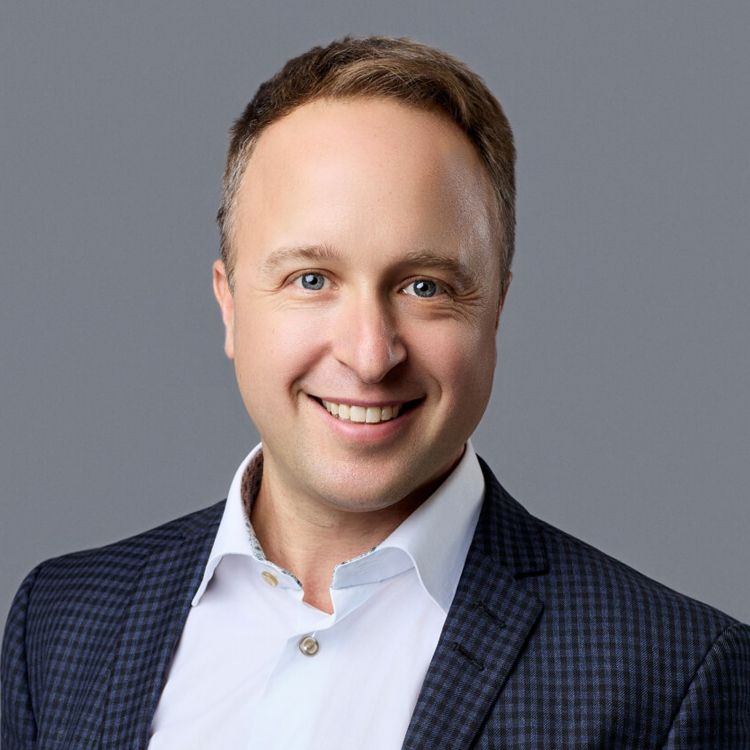
Asher Honickman is a civil litigator practising in Toronto and the founder of Advocates for the Rule of Law. Asher developed a passion for law from an early age and his practice focuses on a wide variety of legal disputes. He has appeared and successfully represented his clients at all levels of court in Ontario, along with the Workplace Safety and Insurance Appeals Tribunal and the Financial Services Commission of Ontario. Asher obtained his undergraduate degree from Huron College at the University of Western Ontario, where he was the recipient of numerous significant academic awards, along with the Gold Medal for his graduating class. He then attended law school at Queen’s University, where he was awarded the Course Prize in Public Law. Asher has published scholarly articles in The Alberta Law Review, The Advocates’ Quarterly, The Advocates’ Journal, and Law Matters, along with shorter pieces in the National Post, the Toronto Star and the Huffington Post Canada. He has also appeared on AM 640, debating topical legal issues . In his spare time, Asher enjoys spending time with his wife and daughter, reading and writing both fiction and non-fiction, playing guitar and piano, playing sports and traveling.
About Prof. Mark Mancini
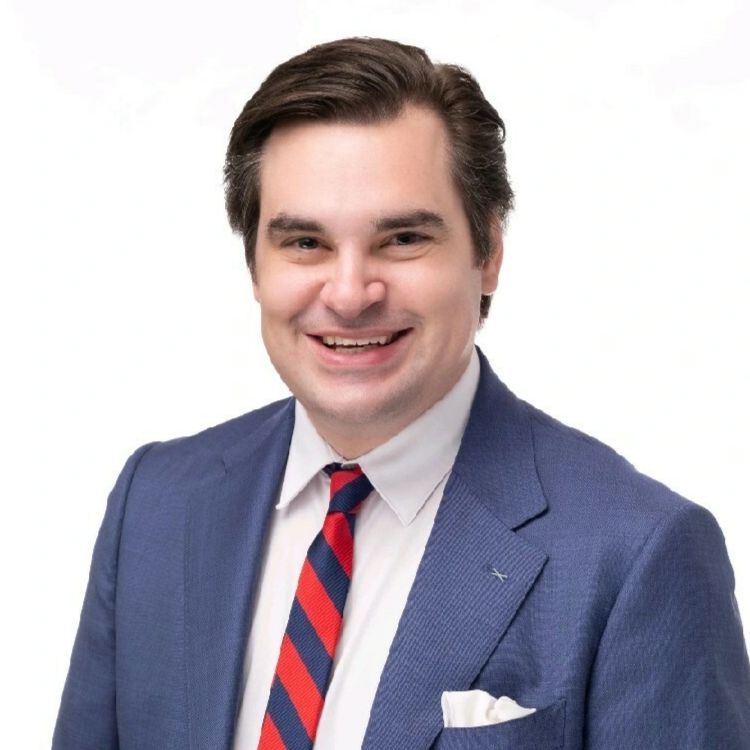
Mark Mancini is an Assistant Professor at Thompson Rivers University, Faculty of Law. He holds a J.D. from the University of New Brunswick, a LL.M. from the University of Chicago Law School and is currently a PhD candidate at the Peter A. Allard School of Law, University of British Columbia. Mark clerked for Justice Ann-Marie McDonald at the Federal Court in 2017-18 His research interests include administrative law, the law of judicial review and legislative interpretation. His work has been published in academic journals across Canada and has been cited in courts across the country including the Federal Court of Appeal, British Columbia Court of Appeal and Supreme Court of Canada. Mark is a Senior Fellow with the Macdonald-Laurier Institute, a Research Fellow with the University of British Columbia-Okanagan Centre for Constitutional Studies and is also involved with the BC Council of Administrative Tribunals. In addition to his research work, Mark is a frequent speaker and contributor to academic conferences and events for lawyers and judges. In service to the profession, Mark writes a weekly newsletter, The Sunday Evening Administrative Review, which is read by close to 1500 lawyers, students, and judges.
Saturday Night Keynote – January 31 (Hart House) [VENUE CHANGE]
6:00 PM – Dinner and Networking | Great Hall
7:00 PM – Keynote Address by Justice Suzanne Côté | Great Hall
About the Keynote Address
Keynote Address: “The Supreme Court’s approach to stare decisis and incremental changes to the common law “ Featuring: Justice Suzanne Côté (Supreme Court of Canada) |
About Justice Suzanne Côté
The Honourable Suzanne Côté has served on the Supreme Court of Canada since December 1, 2014.
Before her appointment, she was a partner at Osler, Hoskin & Harcourt LLP and previously at Stikeman Elliott, leading both firms’ Montréal litigation groups. Over more than 30 years in practice, she built a national reputation for handling complex civil and commercial cases, including class actions, shareholder disputes, product liability, and public law matters.
Originally from the Gaspé Peninsula, Justice Côté began her career practising law in her home region before moving to Montréal. She holds an LL.B. from Université Laval and was called to the Quebec Bar in 1981.
Recognized as one of Canada’s top litigators, she is a Fellow of the American College of Trial Lawyers and received the Advocatus Emeritus distinction from the Barreau du Québec. She has taught advocacy and evidence at the École du Barreau du Québec, lectured at several universities, and supported trial advocacy competitions across the province.
Justice Côté has also been active in community life, serving on the boards of the Fondation Jean Duceppe and the Société d’histoire de la Gaspésie.
Conference Locations
The Carlu (Friday Night Debate and Saturday Panel Sessions)
Opened in 1930 as Eaton’s Seventh Floor, The Carlu was shaped by Lady Eaton’s ambition to bring world-class culture to Toronto. To achieve this, she enlisted celebrated French architect Jacques Carlu, whose Art Moderne style defined the space through its streamlined geometry, refined detailing, and the now-iconic Lalique fountain in the Round Room.
After a major restoration, the venue reopened in 2003 as The Carlu. Today, it stands as a National Historic Site and one of Canada’s leading examples of Art Moderne design—host to royal visits, landmark cultural occasions, and signature corporate and social events.
Hart House (Saturday Night Keynote ONLY)
Since opening in 1919, Hart House has served as a gathering place for students, faculty, staff, alumni, and the wider community—fostering connection through the arts, dialogue, and wellness. Commissioned by Vincent Massey and gifted to the University of Toronto, it continues to operate through a social enterprise model that supports student-centred programming across all three campuses. Today, Hart House remains a vibrant hub of engagement, creativity, and community life.
Hotel Accomodations
Chelsea Hotel (Group Rate)
Rooms are available at the Chelsea Hotel at a group rate of $179 per night until January 12, 2026. Please note that supply is limited. Book using this link, or by calling the Chelsea Hotel Toronto toll-free at 1-800-CHELSEA (243-5732) or 416-595-1975 and mentioning that you are booking as part of the Runnymede Society’s Law & Freedom Conference 2026 room block (Res ID: RUN013026).


 Français du Canada
  English (Canada)